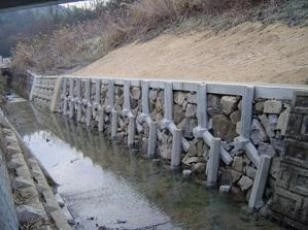
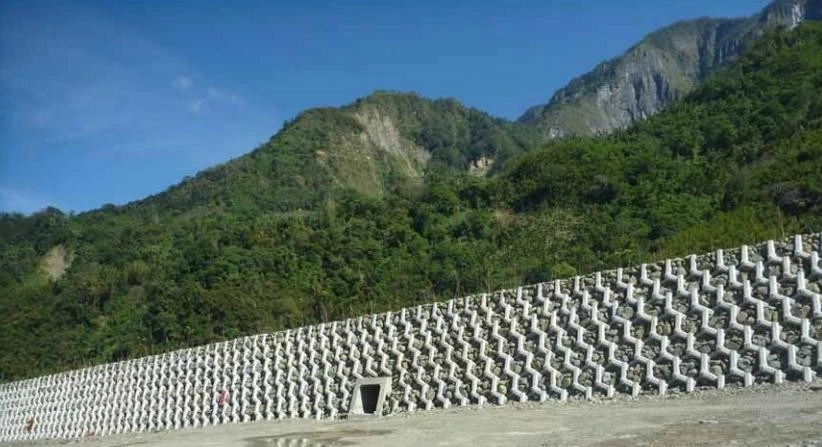
Spesifikasi TUPRO

Desain TUPRO
TUPRO (TUrap PROgresif) yaitu turap dengan konstruksi susunan batu dengan blok beton bercabang sebagai pengikat.
Tiga poin konstruksi antara lain :
- Desain blok beton bercabang.
- Susunan blok beton yang saling mengunci.
- Material utama menggunakan batu alam (Jenis andesit) dengan cara menyusun batu ala Jepang “Ishizumi Method” yang membuat struktur stabil dan tidak mudah lepas
Material Utama Menggunakan Batu Alam
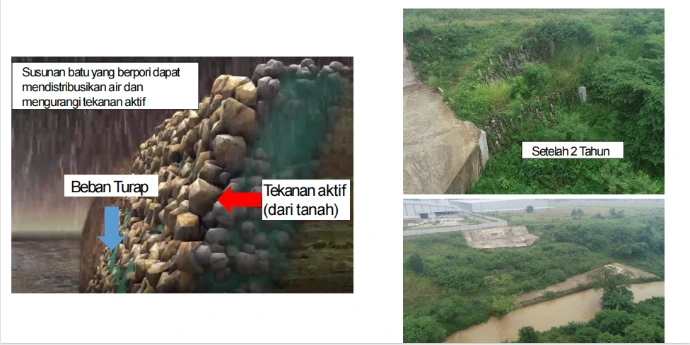
Dengan material mayoritas batu maka bukan hanya baik lingkungan, tetapi juga kuat. Selain kokoh, dan kuat, juga baik untuk lingkungan dapat menciptakan habitat baru bagi hewan-hewan dan tumbuhan lainnya. Batu yang tersusun memiliki celah dan pori-pori yang akan mendistribusikan air tanah sehingga keseimbangan tekanan aktif dan tekanan pasif terjaga.
Pengaplikasian TUPRO
TUPRO diaplikasikan dengan pemasangan kemiringan 1:0,3 s.d 1:0,5
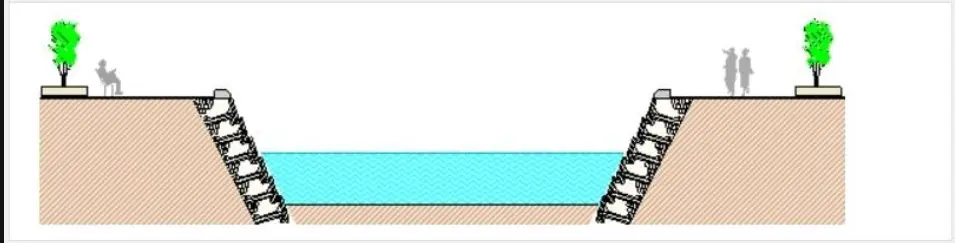
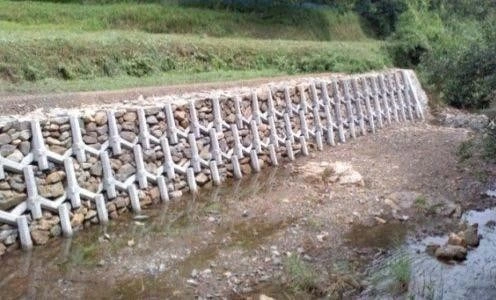
(1) Bantaran Sungai, Tebing Sungai
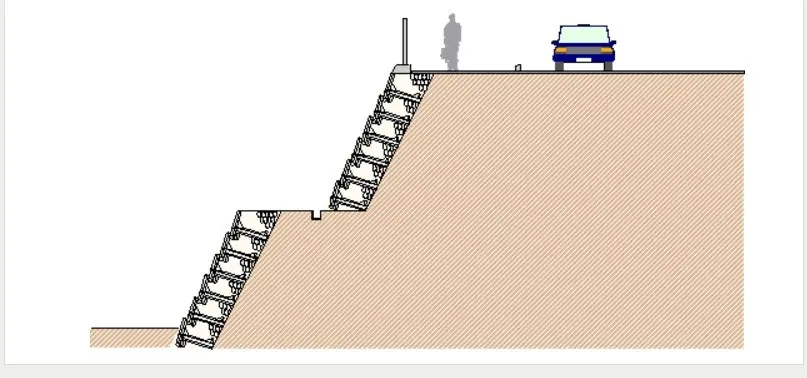
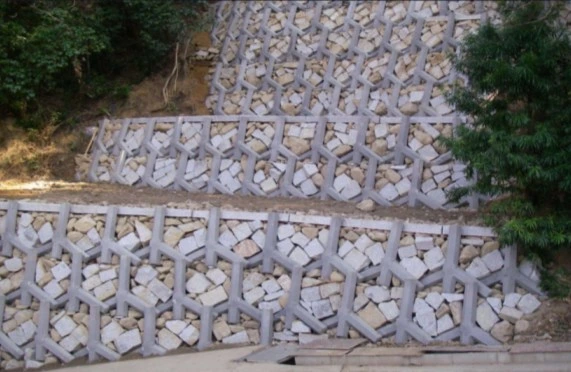
(3) Perbukitan, Lereng Pegunungan, Lereng di Jalan Tol
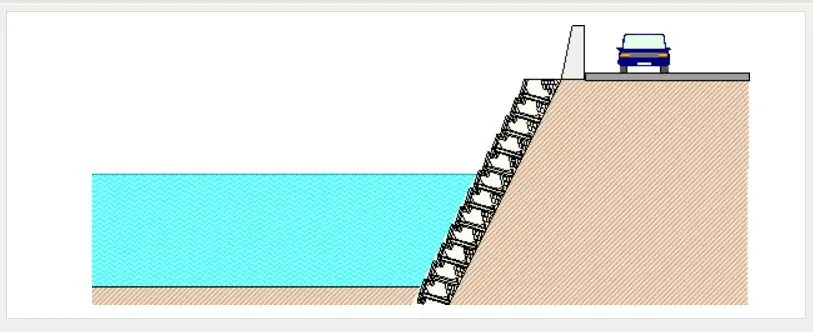
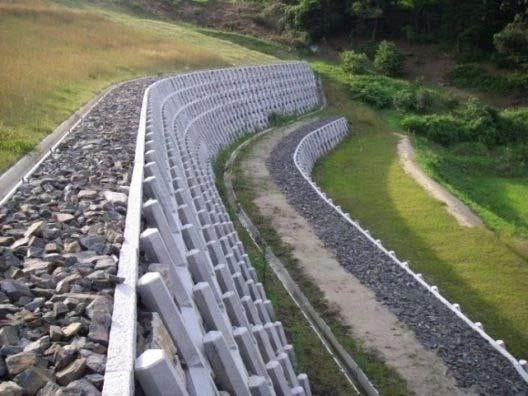
(2) Tebing Bendungan
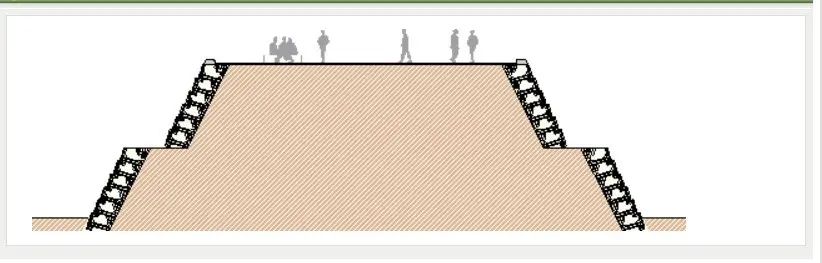
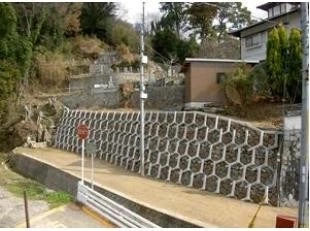
(4) Tanah Timbunan
Perbandingan TUPRO dengan Metoda lain
Selain Tupro, metode lain umumnya memakai beton. Kekuatannya tergantung pada seberapa besar, seberapa dalam dan seberapa besar biaya yang dikeluarkan

Metode ini akan bertahan baik apabila kondisi berikut terpenuhi.
1. TIDAK ADA PERUBAHAN bentuk dan posisi dari pile.
2. TIDAK ADA PERUBAHAN tekanan/ beban dari atas, samping dan belakang.
Apabila salah satunya berubah karena hujan dan lain-lain, mungkin akan rusak karena tidak cukup fleksibel untuk mengikuti perubahantersebut.
→ Tetapi untuk kondisi tertentu, kita masih mungkin memakai metoda ini.
Perbandingan TUPRO dengan Metoda lain
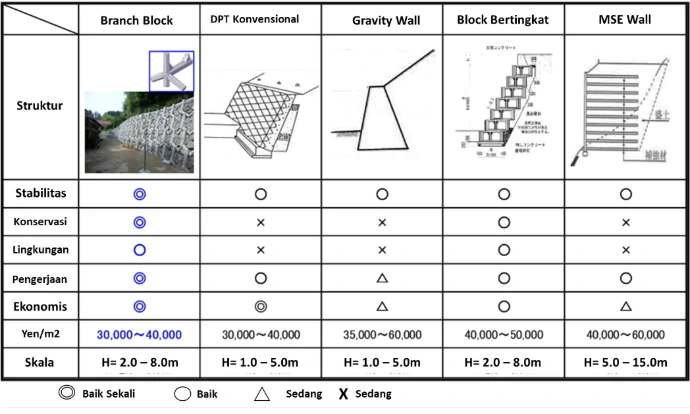
Batasan TUPRO
Kondisi ideal dalam pemasangan TUPRO
- Perbandingan sudut tingkat 1:0,3 ~ 0,5 (kisaran 60 sampai 70 derajat).
- Tinggi ideal pemasangan Tupro dari 2 meter sampai 8 meter, bila lebih dari 8 meter menggunakan terasering.
- TUPRO dapat di aplikasikan ke berbagai jenis tanah termasuk tanah ekspansif, namun perlu di pertimbangkan daya dukung tanahnya.
- Bila dalam Analisa daya dukung kurang perlu ada perbaikan tanah dan atau penguatan struktur dengan menggunakan minipile dan sejenisnya.
Proses Produksi Blok TUPRO Hingga Pemasangan
01

Produksi Blok TUPRO
02

Pengiriman dari Batching Plant
03

Pemasangan TUPRO
04

Penyelesaian
Sertifikasi di Jepang
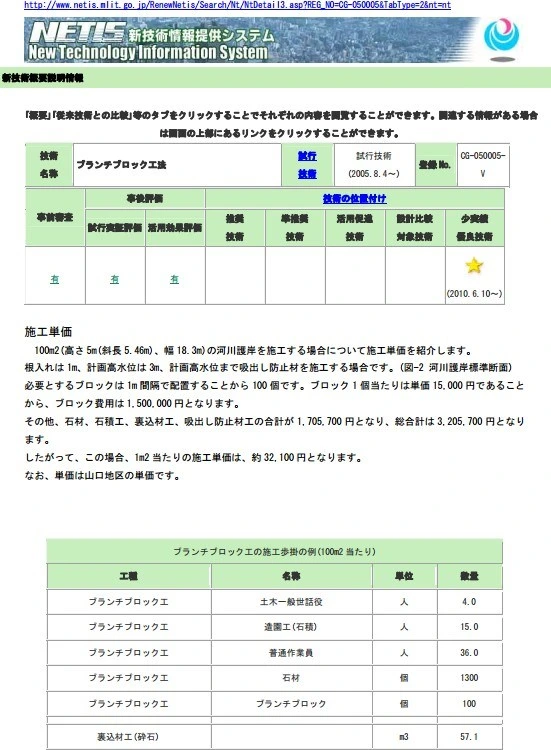
NETIS No. CG -050005-V (New Technology Information System/ Ministry of Land, Infrastructure, Transport and Tourism of Japan).
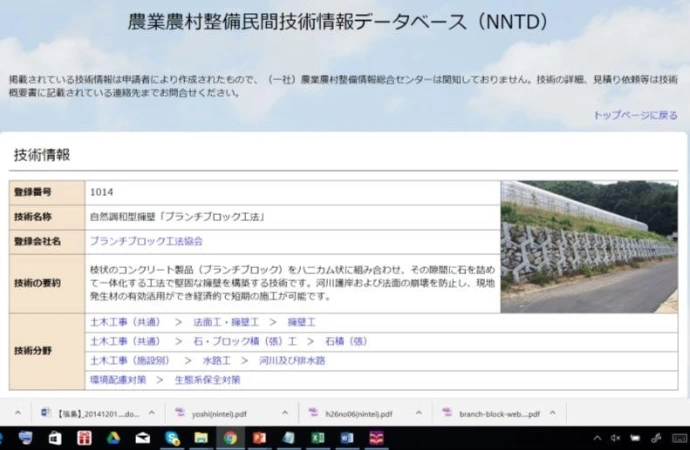
ARIC No. 1014 (Agriculture and Rural Development Information Center/ Ministry of Agriculture, Forestry and Fisheries of Japan).
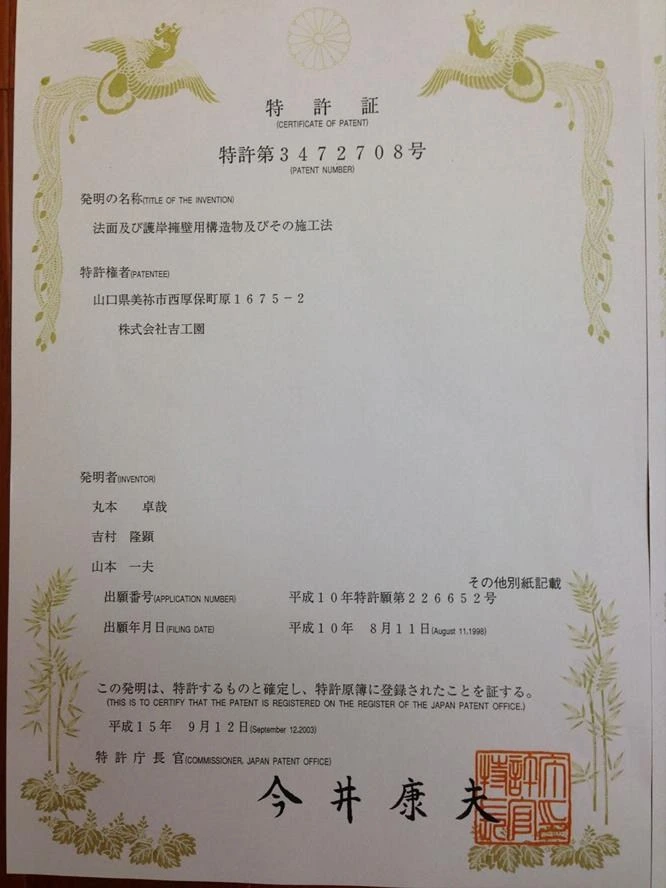
Patent No. 3472708
(Patent Office of Japan)
Pendaftaran Hak Merk dan Hak Paten di Indonesia

Pendaftaran Hak Merk
(3 Maret 2017)
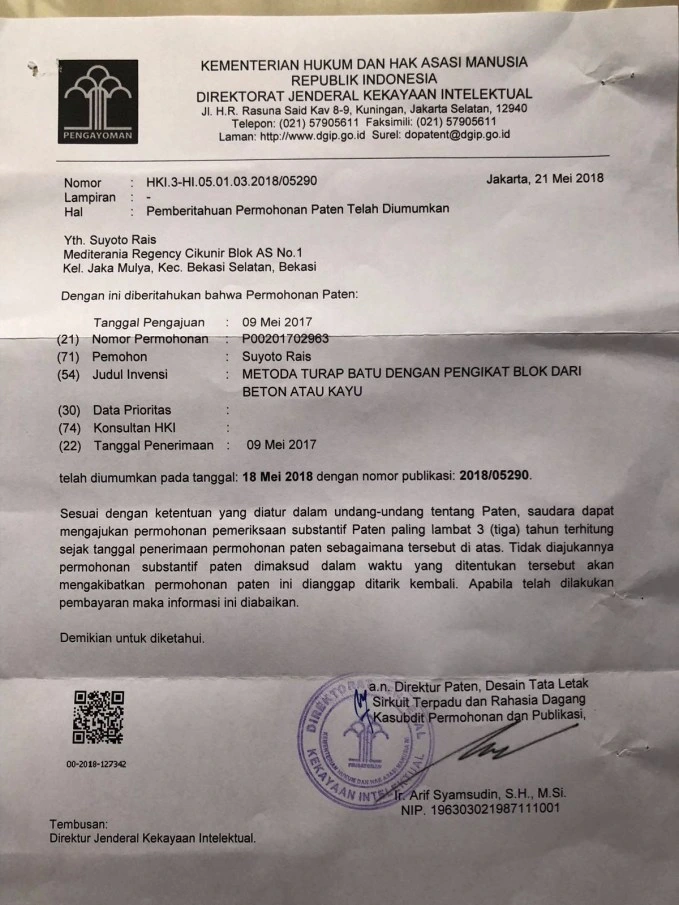
Proses Pendaftaran Hak Paten
(9 Mei 2017) dan sudah dipublikasikan 21 Mei 2018.
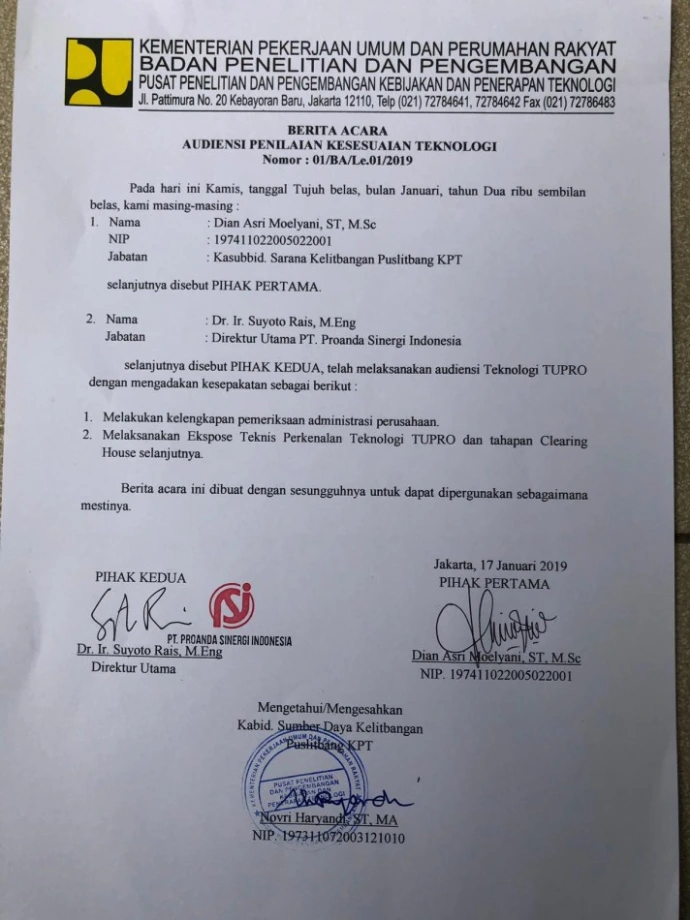
Konsultasi ke PUPR dan mulai proses masuk ke
E-katalog.
Rekomendasi
Kementerian
PUPR
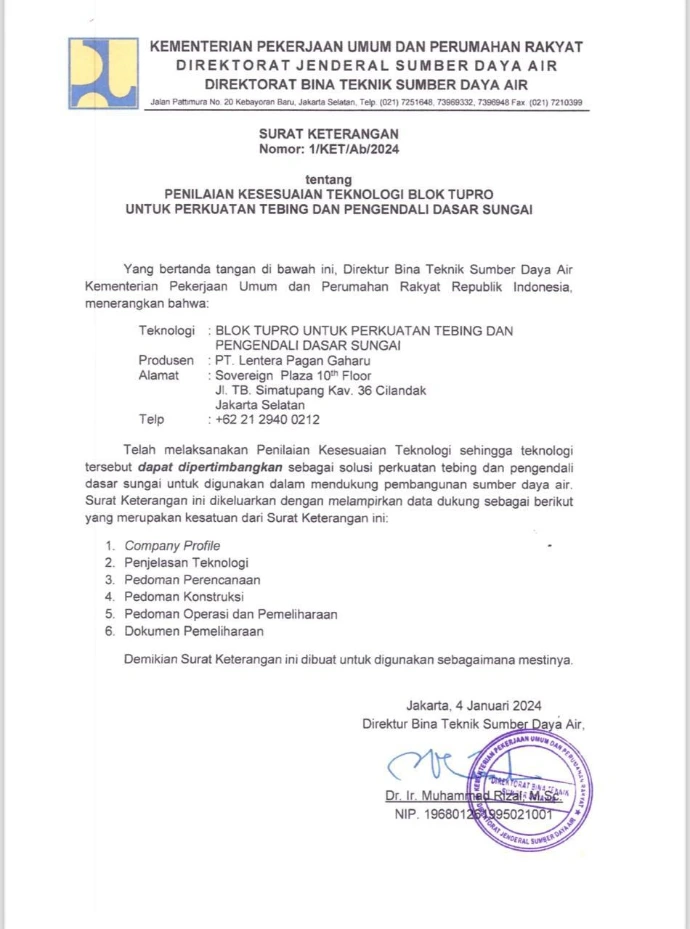
Pada tanggal 4 Januari 2024, Tupro telah mendapatkan surat keterangan rekomendasi yang di tandatangaani oleh Direktur Bina Teknik Sumber Daya Air Kementerian PUPR RI
Pemasangan TUPRO di Jepang
Sebelum Dipasang
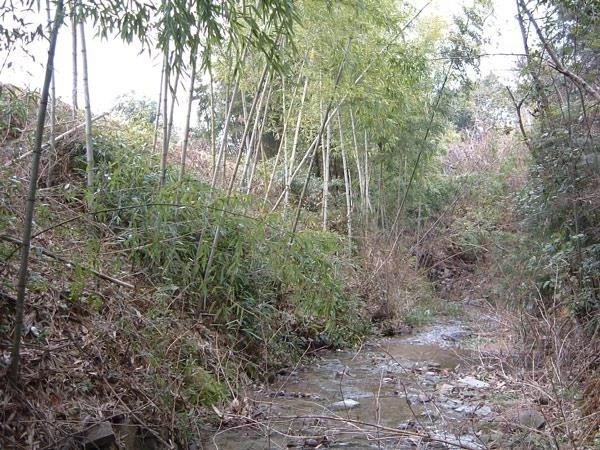
Setelah Dipasang (Februari 2003)
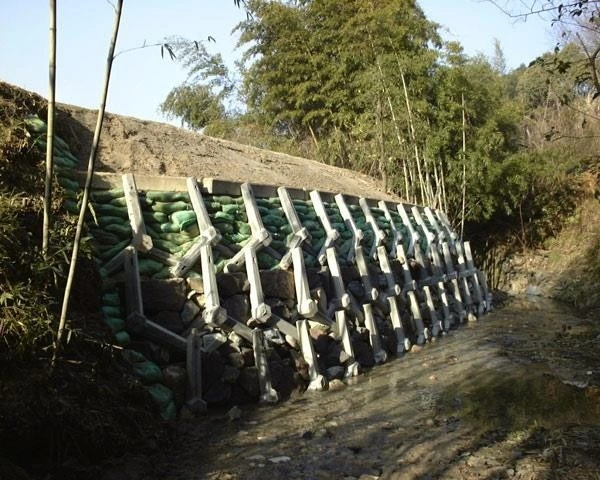
Setelah 6 Tahun (2009)
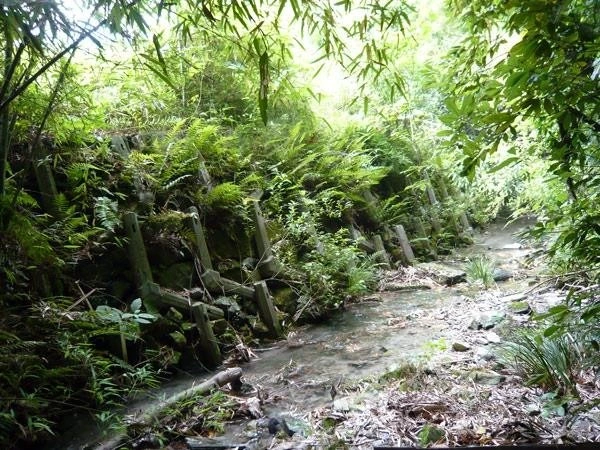
Setelah banjir besar pada bulan Juli 2009, TUPRO tidak rusak sama sekali. Longsor terjadi di bagian lain yang tidak dipasang TUPRO
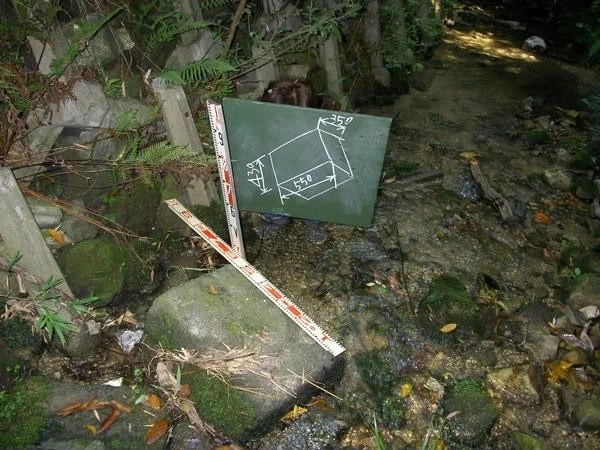
Sekarang tetap kokoh bahkan tertutup tumbuhan hijau yang tumbuh secara alami.
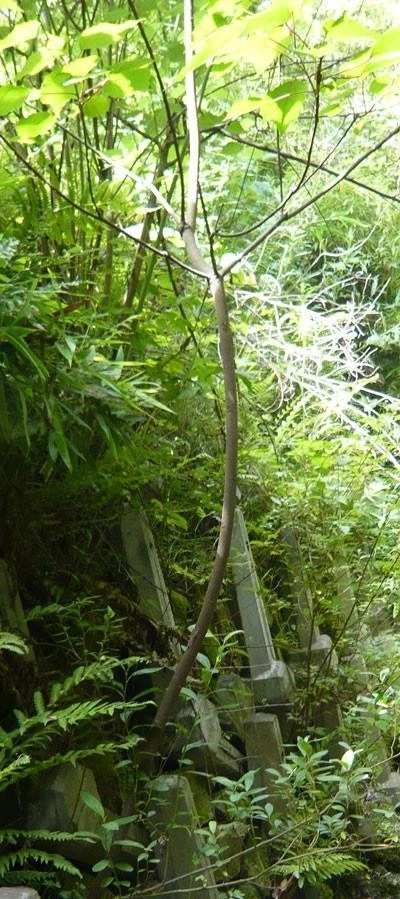
Pengaplikasian TUPRO di Jepang
Digunakan di banyak tempat yang berpotensi longsor, seperti bantaran sungai dan tebing.